What Pediatricians Check During School & Sports Physicals
School and sports physicals play an important role in keeping children healthy, safe, and ready to participate in academic and athletic activities. These visits are more than a formality. They give pediatricians the opportunity to assess growth, identify potential health concerns, and ensure a child can safely take part in school or sports programs. At Arkansas Pediatric Clinic, with offices in Bryant and Little Rock, AR, pediatricians use these exams to support each child’s overall well-being and development.
Growth and Development Assessment
One of the first components of a physical is a review of growth patterns. Height, weight, and body mass index are measured and compared to age-appropriate ranges. Pediatricians also look at developmental milestones to confirm that physical growth aligns with a child’s stage of development. These measurements help identify concerns such as delayed growth, early puberty, or nutritional issues that may require follow-up.
Heart and Lung Health
Heart and lung evaluation is a critical part of school and sports physicals, especially for active children. Pediatricians listen to the heart and lungs to check for irregular rhythms, murmurs, or breathing issues. They may also ask about shortness of breath, chest pain, dizziness, or fainting during physical activity. This step helps ensure a child’s cardiovascular system can safely handle exercise and sports participation.
Musculoskeletal Strength and Flexibility
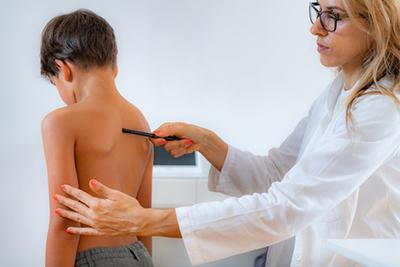
Pediatricians assess posture, joint movement, muscle strength, and flexibility to evaluate how the body functions during activity. This includes checking the spine, hips, knees, ankles, and shoulders. Identifying muscle imbalances, limited range of motion, or past injuries allows pediatricians to recommend stretching, conditioning, or further evaluation before sports begin.
Vision, Hearing, and Neurological Screening
Clear vision and proper hearing are essential for learning and safe athletic performance. During a physical, pediatricians may perform vision and hearing screenings and assess basic neurological function, including reflexes and coordination. These checks help identify concerns that could affect classroom performance or increase injury risk during sports.
Medical History and Preventive Guidance
A thorough review of medical history is an important part of the visit. Pediatricians discuss chronic conditions such as asthma, allergies, or diabetes, along with medications and prior injuries. Immunization status is also reviewed to ensure school requirements are met. Families have time to ask questions and receive guidance on injury prevention, hydration, nutrition, and safe training habits.
School and Sports Physicals in Little Rock and Bryant, AR
At Arkansas Pediatric Clinic, school and sports physicals are designed to support both immediate clearance and long-term health. These visits help identify concerns early and give families confidence that their child is prepared for the demands of school and athletic activities.
To schedule a school or sports physical in Little Rock or Bryant, AR, call Arkansas Pediatric Clinic at (501) 664-4117. Early scheduling helps ensure your child is ready when the school year or sports season begins.
What Pediatricians Check During School & Sports Physicals
School and sports physicals play an important role in keeping children healthy, safe, and ready to participate in academic and athletic activities. These visits are more than a formality. They give pediatricians the opportunity to assess growth, identify potential health concerns, and ensure a child can safely take part in school or sports programs. At Arkansas Pediatric Clinic, with offices in Bryant and Little Rock, AR, pediatricians use these exams to support each child’s overall well-being and development.
Growth and Development Assessment
One of the first components of a physical is a review of growth patterns. Height, weight, and body mass index are measured and compared to age-appropriate ranges. Pediatricians also look at developmental milestones to confirm that physical growth aligns with a child’s stage of development. These measurements help identify concerns such as delayed growth, early puberty, or nutritional issues that may require follow-up.
Heart and Lung Health
Heart and lung evaluation is a critical part of school and sports physicals, especially for active children. Pediatricians listen to the heart and lungs to check for irregular rhythms, murmurs, or breathing issues. They may also ask about shortness of breath, chest pain, dizziness, or fainting during physical activity. This step helps ensure a child’s cardiovascular system can safely handle exercise and sports participation.
Musculoskeletal Strength and Flexibility
Pediatricians assess posture, joint movement, muscle strength, and flexibility to evaluate how the body functions during activity. This includes checking the spine, hips, knees, ankles, and shoulders. Identifying muscle imbalances, limited range of motion, or past injuries allows pediatricians to recommend stretching, conditioning, or further evaluation before sports begin.
Vision, Hearing, and Neurological Screening
Clear vision and proper hearing are essential for learning and safe athletic performance. During a physical, pediatricians may perform vision and hearing screenings and assess basic neurological function, including reflexes and coordination. These checks help identify concerns that could affect classroom performance or increase injury risk during sports.
Medical History and Preventive Guidance
A thorough review of medical history is an important part of the visit. Pediatricians discuss chronic conditions such as asthma, allergies, or diabetes, along with medications and prior injuries. Immunization status is also reviewed to ensure school requirements are met. Families have time to ask questions and receive guidance on injury prevention, hydration, nutrition, and safe training habits.
School and Sports Physicals in Little Rock and Bryant, AR
At Arkansas Pediatric Clinic, school and sports physicals are designed to support both immediate clearance and long-term health. These visits help identify concerns early and give families confidence that their child is prepared for the demands of school and athletic activities.
To schedule a school or sports physical in Little Rock or Bryant, AR, call Arkansas Pediatric Clinic at (501) 664-4117. Early scheduling helps ensure your child is ready when the school year or sports season begins.